
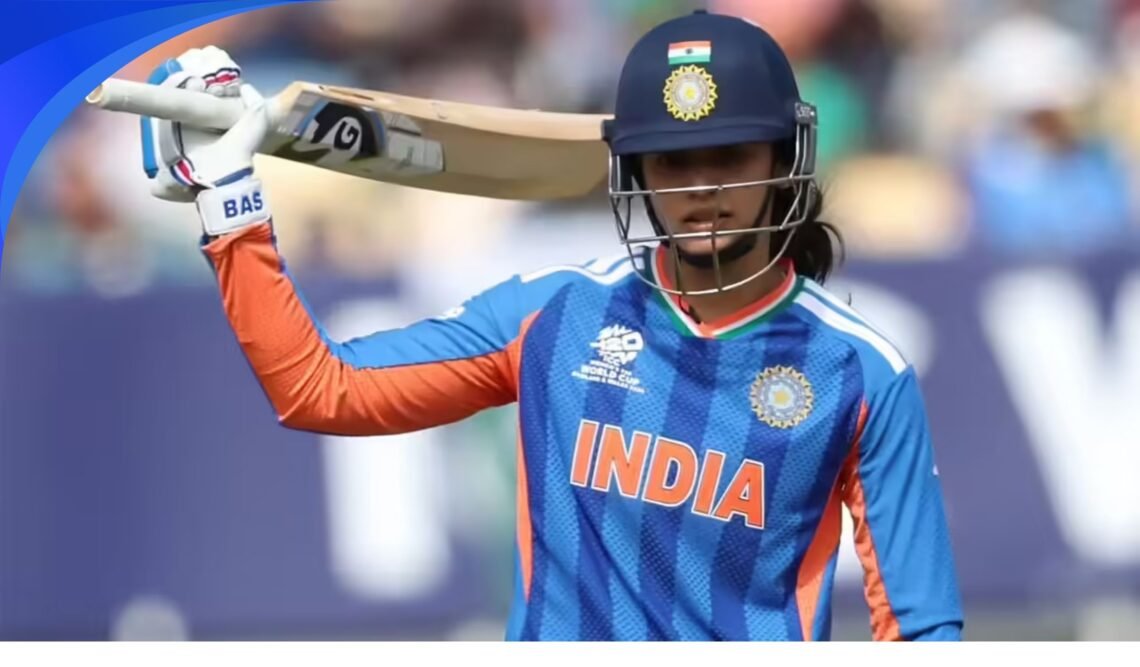
Smriti Mandhana and Temba Bavuma are carrying on Indian cricketer Virat Kohli and South African rugby player Siya Kolisi’s legacy as they have been bestowed with one of the biggest accolades in world sport by being named among TIME Magazine’s 100 Most Influential People In Sports for 2026. Your pick not only looks at their performance on the cricket field but also how they have impacted lives away from it. Mandhana and Bavuma are the only cricketers to feature on this year’s list which consists of some of the most recognizable athletes, coaches and sporting personalities across all sports globally.
For Smriti Mandhana, it is another feather in her already illustrious cap. She has since become one of the most successful, and nowadays popular figures in women’s cricket. Due to her graceful batting style, consistency in every format and ability of absorbing pressure she has become one player for India. Openers and captaincy in big tournaments or leading from the front on a chase – Mandhana has developed into a master of using her bat to decide matches against some of the best teams that we have seen in Asia Cup 2022, T20WC 2018.
But her impact stretches well beyond statistics and records. Mandhana has been the most prominent figure in bringing the limelight on Women cricket globally. With the rise of interest in women’s cricket, she is one of its most visible. Many young players are inspired by her and she has motivated a number of girls to play the sport as well. Her performances, however, and her visibility off the field have helped grow both women’s cricket as a sport for new audiences.
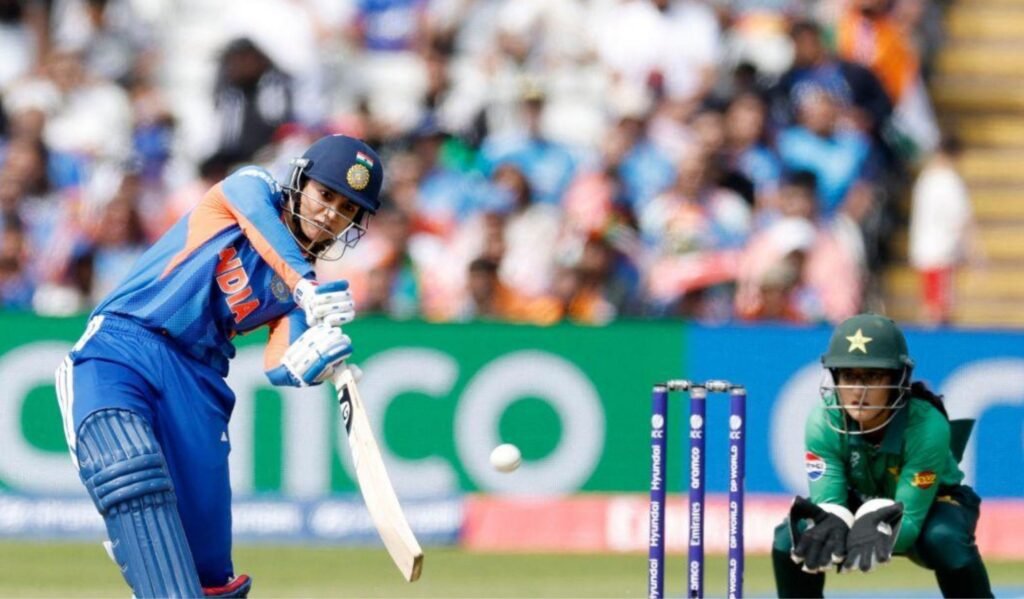
Lack of inclusion in the elite club is matched by Temba Bavuma as one who earned a spot on the TIME list. The South African captain has established himself as one of the most respected leaders in world cricket. It hasn’t always been an easy journey for him, and yet, his absolute determination against the odds is both inspirational to so many of us today. Bavuma’s appointment as the first Black African captain in South Africa was a landmark moment which resonated strongly inside and outside of cricket.
Bavuma has had crucial innings as a leader to steer the ship and kept South Africa in line internationally. His leadership style is often praised for being calm, disciplined and unifying. His focus on teamwork and responsibility has not only earned him the respect of his teammates, but also that of opponents. He has managed to bring South Africa on par with some of the best cricketing nations but simultaneously he also projected a vision towards more inclusivity.
TIME Magazine recognizes the importance of these two players in our society. Unlike before, modern-day athletes are not only separated by their performance but instead they are more compared in how much of an impact someone can have on people or a community. From the encouragement through words they have each given on their platforms, to showcasing what values meaningful representation in sport can bring and just plain getting everyone talking about both positive contributions of women or girls cricket – Mandhana & Bavuma are doing it right. These stories prove what cricket can do as a vehicle for change, bringing people from all walks of life together whilst helping younger generations to have access and opportunity in the future.
The selection of Mandhana and Bavuma in a list as massive has made cricket fans feel proud. It proves that cricket will continue to churn out global stars whose impact transcends the boundaries they play between. Their successes have captured admiration spanning multiple nations and ideals, showing that the sport still holds value to important parts of international athletics.
As both players forge ahead in their careers, this accolade is a reminder of what has been accomplished and the impact either are still making. Their spot on TIME Magazine’s most influential sports list isn’t simply a recognition of field accomplishments, but rather high praise for leadership, motivation and the ability of sport to change lives.
Read more: Hardik Pandya Jersey Number