I remember when being a sports fan meant two things only. You watched the game. Then you argued about it the next day. Maybe at work, maybe at the bar, maybe with your uncle who always thought the ref was blind. That was it. The loop was short, emotional, and over by morning.
Fast forward to now and the loop never really closes. The whistle blows, sure, but the conversation just mutates. Clips hit your phone before the players reach the locker room. Fan polls light up. Memes land. Odds shift. Somewhere in the middle of all this noise, you might even click into something unexpected, like aviator game registration, without breaking the rhythm of your sports night. That is the point. Tech did not just add layers. It fused them.
This is not a nostalgic rant. It is an observation from someone who has watched stadiums go digital and fans turn into always on participants.
The Death of Passive Fandom
Being a fan used to be passive by default. You consumed what broadcasters decided to show you. Camera angles were fixed. Commentary was sacred. If you missed a goal, tough luck. Technology snapped that model in half.
Streaming platforms gave fans control first. Pause. Rewind. Watch from three devices at once. Then social platforms came in and finished the job. Now fans talk back in real time. They clip plays. They call out coaches. They turn moments into movements.
Look at leagues like the NBA. Highlights are designed for mobile now. Short. Vertical. Sharable. A dunk is no longer just a play. It is a social asset. Fans are not waiting for the recap show. They are the recap show.
Second Screens Changed Everything
The second screen started as a distraction. Now it is essential.
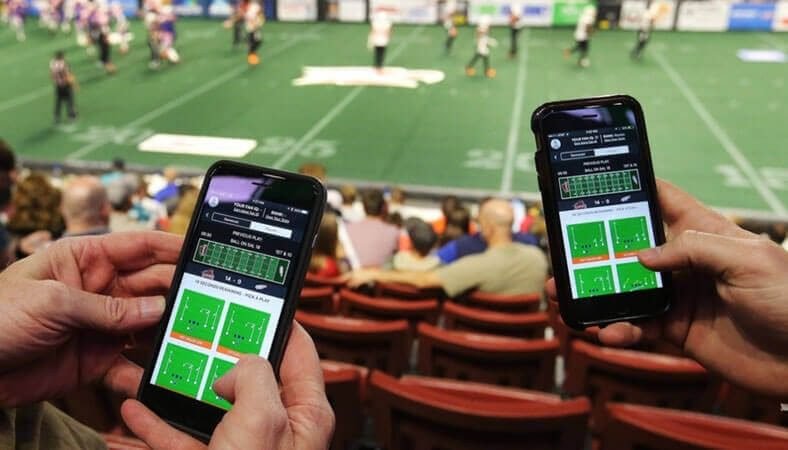
Watching a match without your phone feels incomplete. Not because the game is boring, but because the context lives elsewhere. Stats update live. Injury rumors pop up mid-play. Group chats explode during penalties.
Broadcasters noticed. Apps synced with live feeds. Fantasy points update instantly. Polls appear during timeouts. The fan is no longer sitting back. The fan isn’t just watching anymore. They’re tapping the phone, arguing in comments, voting in polls, firing off reactions, and sometimes shouting at a screen that doesn’t even show the match, just a stream of numbers, clips, or someone else’s opinion..
Social Media Turned Fans Into Media
Once fans got distribution, everything shifted.
Platforms like Twitter, YouTube, and TikTok are not side channels anymore. They are primary arenas. A fan with a sharp take and decent timing can outpace traditional journalists in reach. Clubs know this. Players know this even better. One Instagram story can redefine a narrative before the press conference even starts.
Fans do not just react. They shape the story in real time. That is power. Messy, emotional power, but power nonetheless.
Data Made Everyone an Expert
Stats used to belong to analysts with spreadsheets and access. Now they belong to everyone with an app.
Expected goals. Heat maps. Player efficiency ratings. You do not need a press badge to talk numbers anymore. Fans argue with data now, not just vibes. This has changed how fans see the game. Tactical discussions went mainstream. Formations matter. Substitution timing gets dissected online within seconds.
Sometimes this leads to smarter debates. Sometimes it leads to absolute nonsense dressed up as analytics. Either way, the conversation is deeper and louder than ever.
Betting, Gaming, and the Blurred Lines
Sports interaction is no longer just emotional. It is transactional.
Live odds. Prediction games. Fantasy leagues. Casual games that sit next to live streams. Engagement now includes risk, reward, and dopamine loops. This does not mean every fan is betting. It means the ecosystem expanded. Fans interact with outcomes, not just narratives.
The key shift is integration. These tools are not separate experiences. They sit inside the same digital flow as highlights, chats, and stats. Clicking between them feels natural, almost invisible.
Stadiums Are Catching Up
For a while, watching from home was better than being there. Better angles. Better replays. Better data. Venues noticed.
Now stadiums push apps, in seat replays, real time stats, mobile ordering. The goal is simple. Make the live experience competitive again. Some clubs experiment with AR overlays. Others focus on frictionless entry and cashless everything. The physical space is being redesigned around digital behavior.
The chant is still analog. Everything else is not.
What Fans Gained
Fans gained access. Voice. Community. Control. They lost silence. Closure. Sometimes patience. The always on model is exhausting. There is always another take, another clip, another argument waiting. The game never ends.
But for most fans, the trade feels worth it. The connection is richer, even if it is noisier.
Where This Is Headed
Technology will not slow down. That part is obvious. More personalization. More immersion. Smarter algorithms shaping what fans see and when they see it. The risk is echo chambers. The reward is relevance. The biggest shift already happened though. Fans are no longer spectators. They are participants in a sprawling digital sport culture that never sleeps.
Whether you love that or feel overwhelmed by it probably depends on when you fell in love with the game in the first place. Either way, there is no going back.