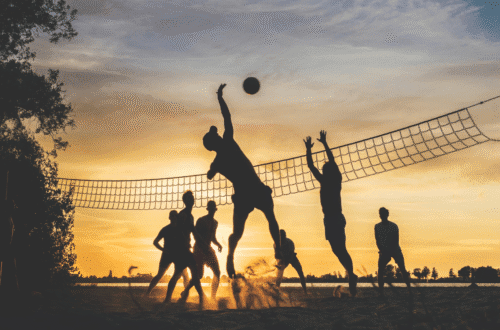

Introduction: The Universal Language of Sports
Sports have always been an essential part of human history and culture. Long before modern stadiums and professional leagues existed, people gathered to compete, celebrate strength, and test their abilities. Today, sports remain a universal language that connects individuals across nations, cultures, and generations. Whether played professionally or casually, sports provide excitement, purpose, and opportunities for personal growth.
In a world increasingly dominated by digital screens and sedentary lifestyles, sports encourage movement, interaction, and healthy competition. They offer individuals a chance to challenge themselves physically and mentally while building meaningful social connections.
Physical Fitness and Active Living
One of the greatest contributions of sports to society is promoting physical fitness. Regular participation in sports improves cardiovascular health, strengthens muscles, enhances flexibility, and boosts overall stamina. Activities such as football, basketball, cricket, swimming, or athletics help maintain a healthy body and reduce the risk of lifestyle-related illnesses.
Sports make exercise enjoyable because they involve competition, teamwork, and excitement. Instead of viewing physical activity as a routine task, players experience fun and motivation. This enjoyment increases consistency, helping individuals maintain an active lifestyle over time.
Mental Strength and Emotional Resilience
Sports are not only about physical ability; they also develop mental strength. Athletes constantly face pressure, competition, and challenges that require focus and determination. Learning to stay calm during intense moments builds emotional resilience.
Participating in sports reduces stress and anxiety by allowing individuals to release energy and clear their minds. The satisfaction of improving performance or achieving goals boosts confidence and self-esteem. These psychological benefits extend into everyday life, helping individuals manage difficulties with a positive mindset.
Discipline and Personal Responsibility
Discipline is one of the most valuable lessons taught through sports. Athletes must commit to training schedules, follow rules, and maintain healthy routines. Success requires dedication, patience, and consistent effort.
Through sports, individuals learn that improvement comes from hard work rather than instant results. Accepting responsibility for performance teaches accountability and self-control. These qualities influence academic success, career growth, and personal development beyond the playing field.
Teamwork and Cooperation
Team sports highlight the importance of collaboration. Players must work together, communicate effectively, and trust each other to achieve victory. Every team member plays a unique role, demonstrating that success depends on collective effort rather than individual talent alone.
Learning teamwork helps individuals develop strong interpersonal skills. Cooperation, respect, and shared responsibility prepare players for real-life situations, including workplace collaboration and community involvement. Sports teach that supporting others often leads to greater achievements.
Youth Development and Confidence Building
For young people, sports play a crucial role in shaping character and confidence. Children involved in sports often develop better social skills, improved concentration, and stronger self-belief. Achieving small milestones, such as learning a new skill or winning a match, creates motivation and pride.
Sports also provide a positive outlet for energy, reducing negative behaviors and encouraging healthy habits. Coaches and mentors guide young athletes, teaching values such as fairness, respect, and perseverance that influence lifelong attitudes.
Sports as a Source of Unity and Culture
Sports bring communities together in powerful ways. Local matches create neighborhood excitement, while international tournaments inspire national pride. Fans from different backgrounds unite to support teams, celebrating victories and sharing emotional moments.
Sporting events promote cultural exchange and mutual understanding. They demonstrate that competition can exist alongside respect and friendship. This ability to unite people makes sports an important tool for strengthening social harmony.
Economic Influence of the Sports Industry
The global sports industry has grown into a major economic force. Professional sports generate employment opportunities in coaching, training, event management, media broadcasting, marketing, and sports equipment manufacturing. Major tournaments attract tourism, boost local businesses, and contribute significantly to national economies.
Beyond entertainment, sports influence fashion, advertising, and technology sectors. Athletes often become influential public figures, shaping trends and inspiring millions worldwide.
The best way out is always through. The course of true love never did run smooth. She wasn’t doing a thing that I could see, except standing there leaning on the balcony railing.
Technology Transforming Modern Sports
Modern technology has revolutionized how sports are played and experienced. Performance tracking devices, video analysis, and advanced training techniques help athletes improve efficiency and prevent injuries. Coaches use data analytics to develop strategies and enhance team performance.
For fans, digital platforms provide instant access to live matches, highlights, and sports news from anywhere in the world. Social media allows supporters to interact directly with athletes, making sports more engaging and accessible than ever before.
Sportsmanship and Ethical Values
True success in sports goes beyond winning trophies. Sportsmanship emphasizes honesty, respect, and fairness. Athletes are expected to follow rules, respect opponents, and accept outcomes gracefully.
These ethical values teach individuals how to compete with integrity. Respecting referees, teammates, and competitors reinforces the idea that character matters as much as performance. Sportsmanship creates role models who inspire future generations.
The Role of Sports in Modern Society
In today’s busy world, sports provide balance and inspiration. They encourage people to step away from daily stress and engage in healthy competition. Communities that promote sports participation often experience improved public health, stronger social connections, and increased youth engagement.
Schools, organizations, and governments increasingly recognize the importance of investing in sports facilities and programs to support healthier populations.
Conclusion: The Lasting Impact of Sports
Sports continue to shape individuals and societies by promoting health, discipline, teamwork, and unity. They teach lessons that extend far beyond stadiums and playing fields, influencing personal growth and social development.
Whether someone plays professionally, participates recreationally, or simply enjoys watching competitions, sports inspire passion and determination. They remind us of human potential, resilience, and the joy of shared achievement. As long as people continue to embrace movement, competition, and cooperation, sports will remain a powerful force for positive change in the world.